


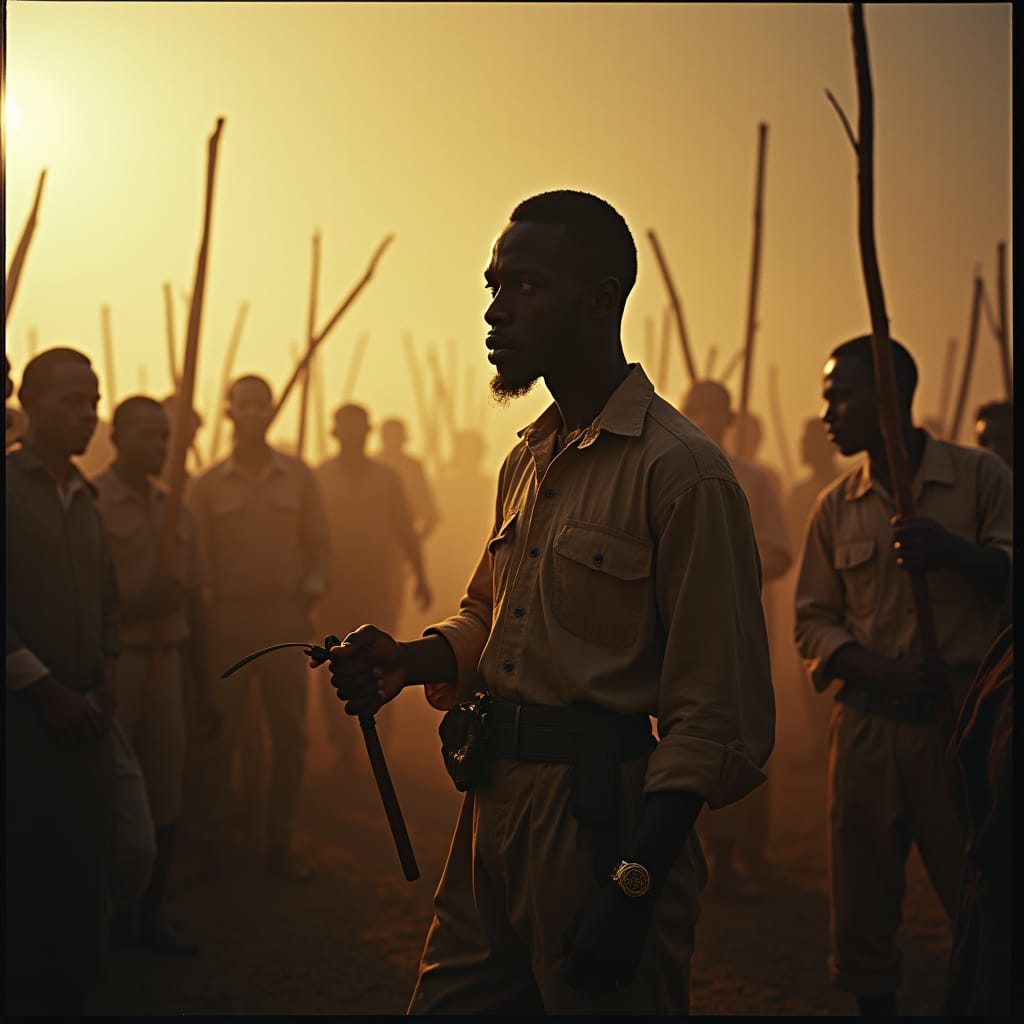
The Christmas Rebellion, which unfolded between December 1831 and January 1832, was a pivotal uprising in Jamaica, ignited by the enslaved Africans and orchestrated by Samuel Sharpe, a Baptist deacon. This rebellion, occurring during the Christmas season—a time when the enslaved were granted a brief reprieve from their grueling labor—quickly gathered momentum as it spread across the island. Fueled by a profound yearning for freedom and a response to the harsh conditions imposed by the sugar plantation system, the rebellion represented a bold stand against the oppressive colonial regime. Sharpe’s leadership and the widespread dissatisfaction with the brutal realities of enslavement culminated in a large-scale revolt aimed at dismantling the existing power structures and achieving emancipation. The rebellion underscored the desperate need for change, accelerating the drive towards abolition and culminating in the Emancipation Act of 1834, which formally ended slavery in Jamaica. The rep…
