


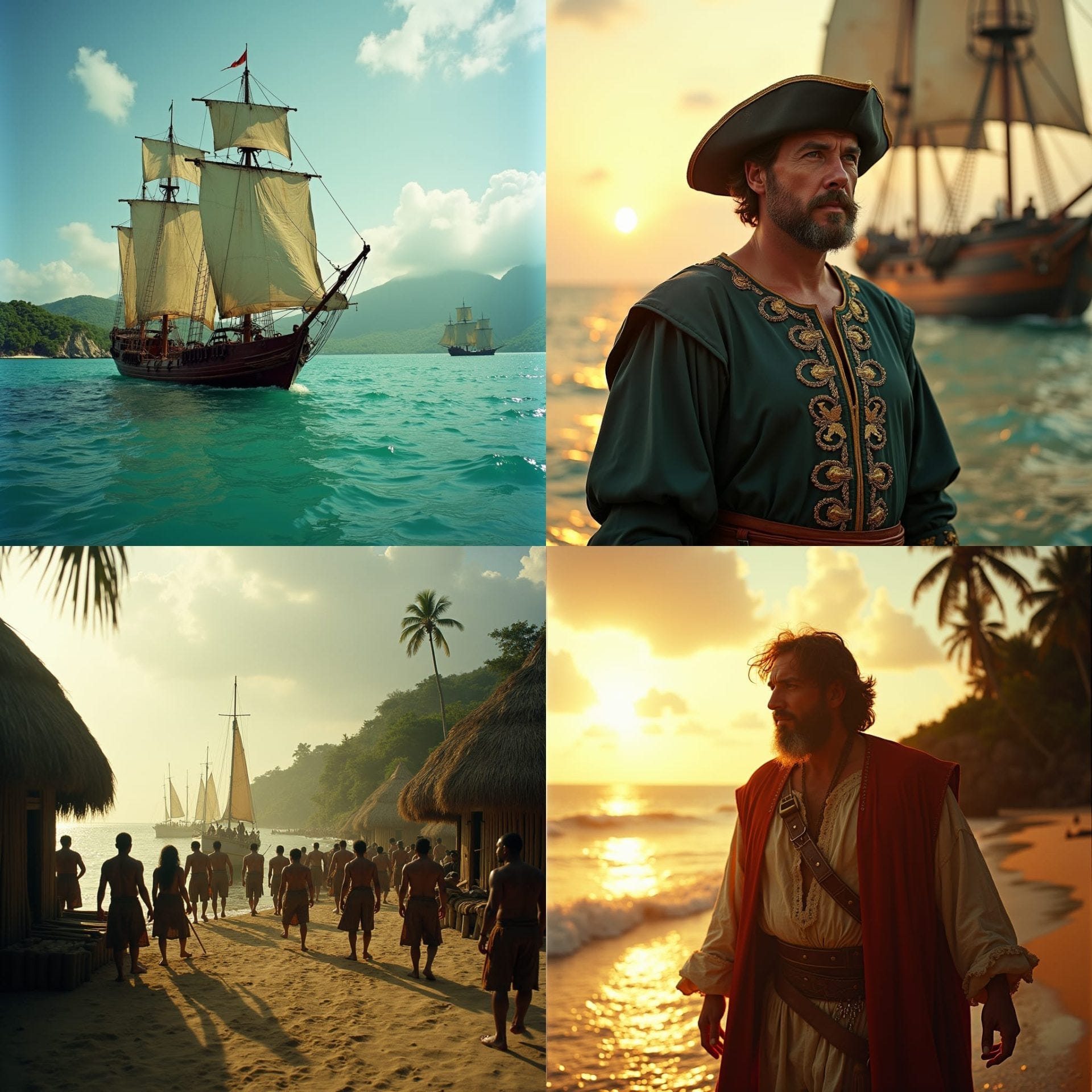
In 1494, Christopher Columbus arrived in Jamaica during his second voyage to the New World, forever altering the island’s history and its relationship with the rest of the world. His landing marked the beginning of European influence in Jamaica, which would eventually transform the island’s landscape and its approach to land ownership. Before Columbus’s arrival, Jamaica was inhabited by the Tainos, an indigenous people who lived in harmony with the land, practicing sustainable agriculture and communal living. However, the arrival of the Spanish, led by Columbus, introduced a new concept of land ownership, paving the way for the eventual colonization and the establishment of plantations. These plantations, which became the backbone of Jamaica’s economy, were primarily focused on the production of sugar, a commodity in high demand in Europe. As the Spanish and later the British asserted control over the land, they implemented systems of real estate that reflected European values of priv…
