


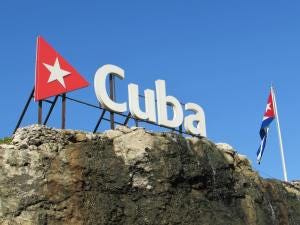
Cuba has done something few thought possible: it has signaled a willingness to compensate Americans for property seized after the 1959 revolution.
The proposal, still conditional and politically fraught, is being framed as a diplomatic opening — a potential thaw in one of the Western Hemisphere’s longest-running standoffs. But from a Jamaican perspective, it raises a deeper and more uncomfortable question: when history takes everything, who gets remembered — and who does not?
For decades, the issue of property seized after the Cuban Revolution has sat at the center of U.S.–Cuba relations. Nearly 6,000 claims, filed by American individuals and corporations, have been formally certified and are now valued at roughly $9 billion with interest. These claims are precise, documented, and legally recognized — the kind that governments can negotiate over.
Now, Cuba appears willing to discuss a “lump sum” settlement, one that would see Havana pay Washington, which would then distribute compensatio…
