


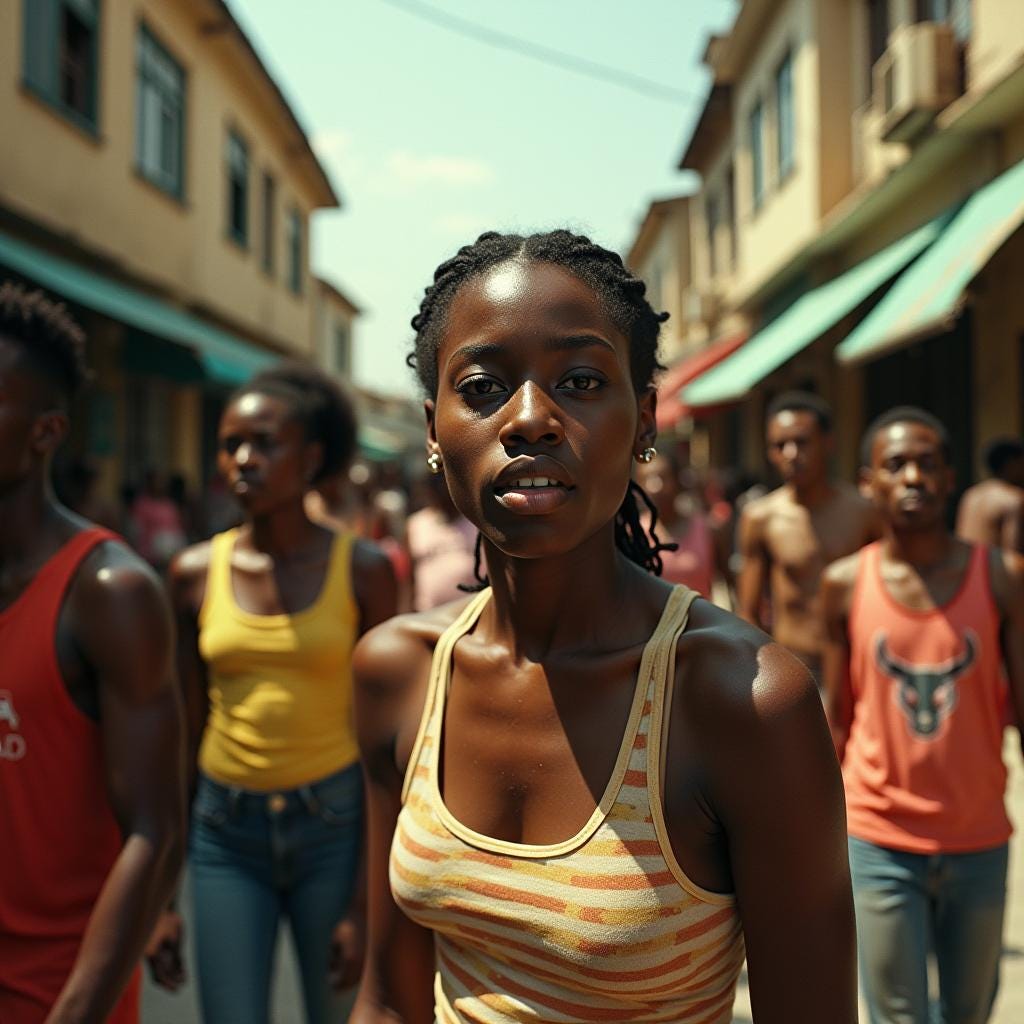
The story of Emancipation Day in Jamaica is not a single moment fixed in 1838, but a long, layered unfolding of human endurance, resistance, belief, and ultimately, release. It is a day that carries the weight of centuries, and when you stand quietly within it, you begin to feel that it is less a celebration pinned to a calendar and more a living structure, built piece by piece by those who came before.
Long before the word emancipation was spoken on Jamaican soil, the island itself was already a contested space. The Spanish colonization of Jamaica brought the first wave of European control, followed by the British capture of Jamaica, which transformed the island into one of the most profitable plantation economies in the British Empire. Sugar became king, and with it came an insatiable demand for labour, met through the transatlantic trafficking of enslaved Africans. By the eighteenth century, Jamaica was not just a colony, it was a machine, calibrated for extraction, wealth flowing o…
