


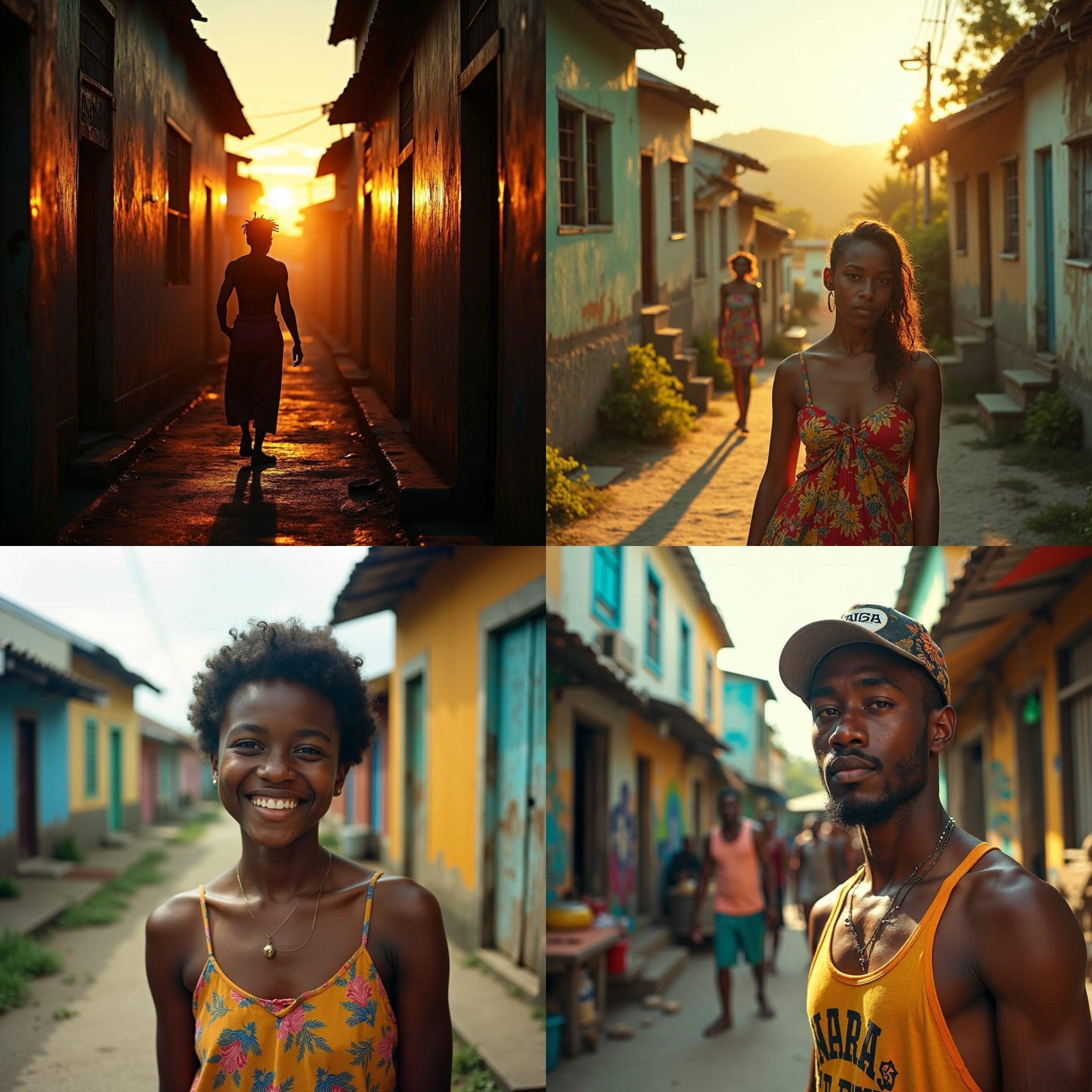
In Jamaica, the term “ghetto” historically refers to urban areas that emerged in the mid-20th century, often characterized by high-density, low-income housing and a lack of infrastructure and resources. These areas initially formed as a response to rapid urbanization and economic challenges that saw large numbers of rural Jamaicans migrating to cities, particularly Kingston, in search of work and better opportunities. Many migrants found themselves in informal settlements on the outskirts of established neighborhoods, such as West Kingston, where they faced overcrowded living conditions and limited access to amenities like clean water, sanitation, and education. These communities became known as ghettos, and the term evolved to signify a place marked by social and economic hardship, often marginalized from mainstream society. Over time, the ghetto took on complex meanings, reflecting not only physical spaces but also a cultural identity shaped by the resilience and creativity of those…
