


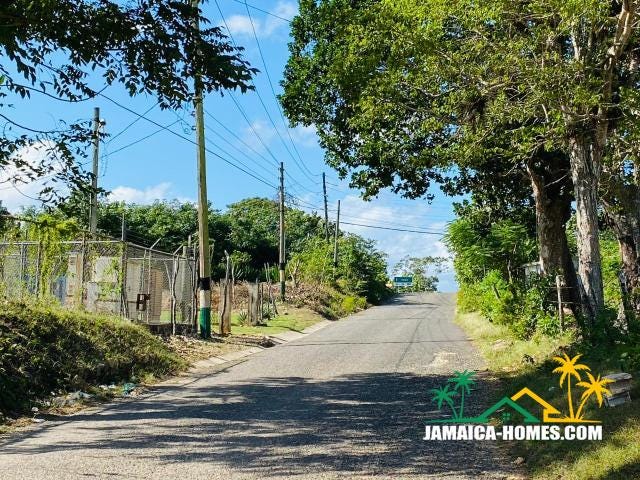
Goodwill, a Presbyterian village in St. James, was established after the abolition of slavery, with its foundations laid in 1840 when the village was still in its early stages. The village was settled on a modest 15-acre plot of land, located at the border of St. James, between the Kent and Orange Valley estates. The land was divided into small lots, each measuring a quarter of an acre. The township was overseen by Reverend George Blyth, a minister of the Scottish Missionary Society. He purchased the land with funds totaling 900 pounds currency, which were raised through subscriptions from the congregation for this purpose.
Under Reverend Blyth’s guidance, Goodwill operated with a strict code of conduct. The village was free from gambling, liquor stores, and concubinage. Only members of the temperance society, who pledged to live a sober and disciplined life, were allowed to own property in the township. The community had firm rules in place: residents who caused disturbances, whether …
