


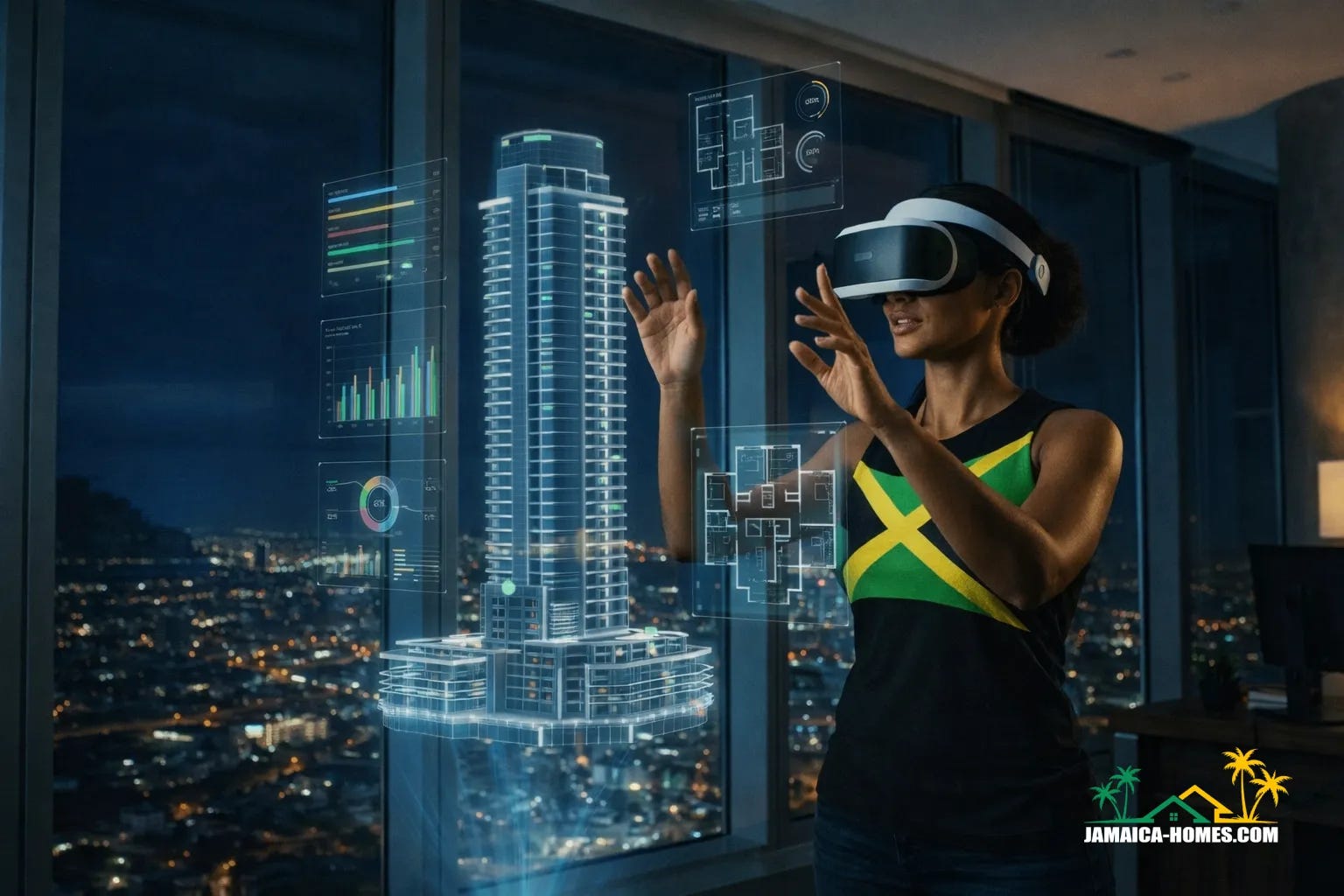
Jamaica has always understood property as something deeply human. A house is not just shelter; it is inheritance, security, sacrifice, and, often, the single largest investment a family will ever make. From modest board homes to hillside villas, from commercial buildings in Half-Way Tree to apartments rising across Kingston’s skyline, Jamaican real estate has traditionally been grounded in physical presence, relationships, and trust built over time.
That foundation still matters. But it is no longer sufficient on its own.
Beneath the familiar rituals of viewings, valuation reports, and handshake agreements, a quieter shift is taking place. Property is no longer being understood only as concrete, steel, and land. Increasingly, it is being interpreted through data — how a building performs, how it ages, how it responds to stress, and how risk can be measured rather than guessed.
This shift is not being driven by trends or novelty. It is being driven by necessity.
In a small island developin…
