


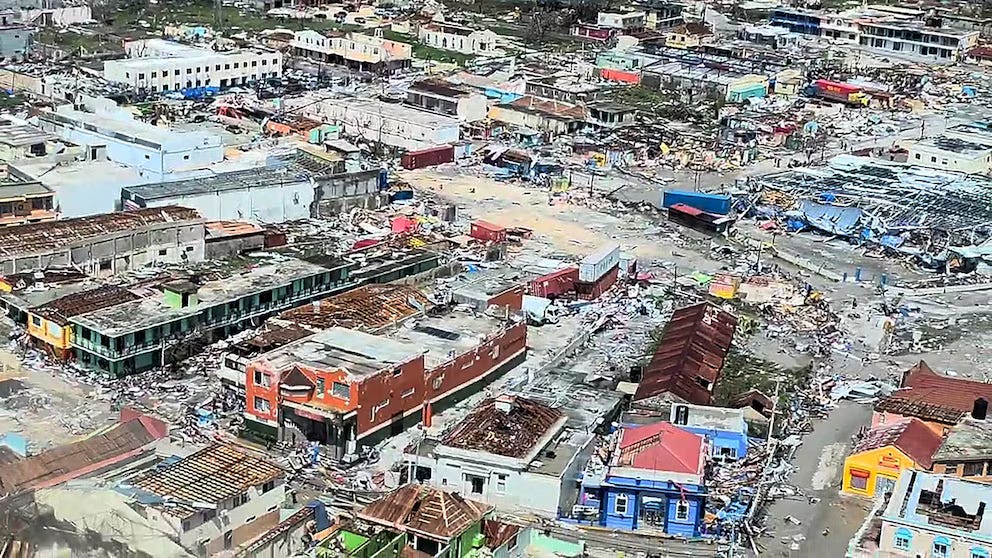
There is a particular moment after every great storm when the noise subsides, the winds retreat, and what remains is not drama, but exposure. Rooflines torn open. Roads fractured. Systems—once assumed solid—revealed as thin, brittle, provisional. It is in that moment, not during the tempest itself, that a country discovers what it is really made of.
Hurricane Melissa did not simply damage Jamaica. It revealed Jamaica.
The darkness that followed was not only the absence of electricity. It was the absence of connectivity, of coordination, of resilience where it was most assumed. Mobile networks fell silent. Internet access disappeared. Power outages lingered. And while the hurricane was fierce, it was the aftermath—the long, grinding days without light, water, communication, or clear direction—that left the deeper impression.
It is from this exposed landscape that the National Reconstruction and Resilience Authority (NARA) has emerged.
Not as an ornament of government. Not as a reactionary …
