


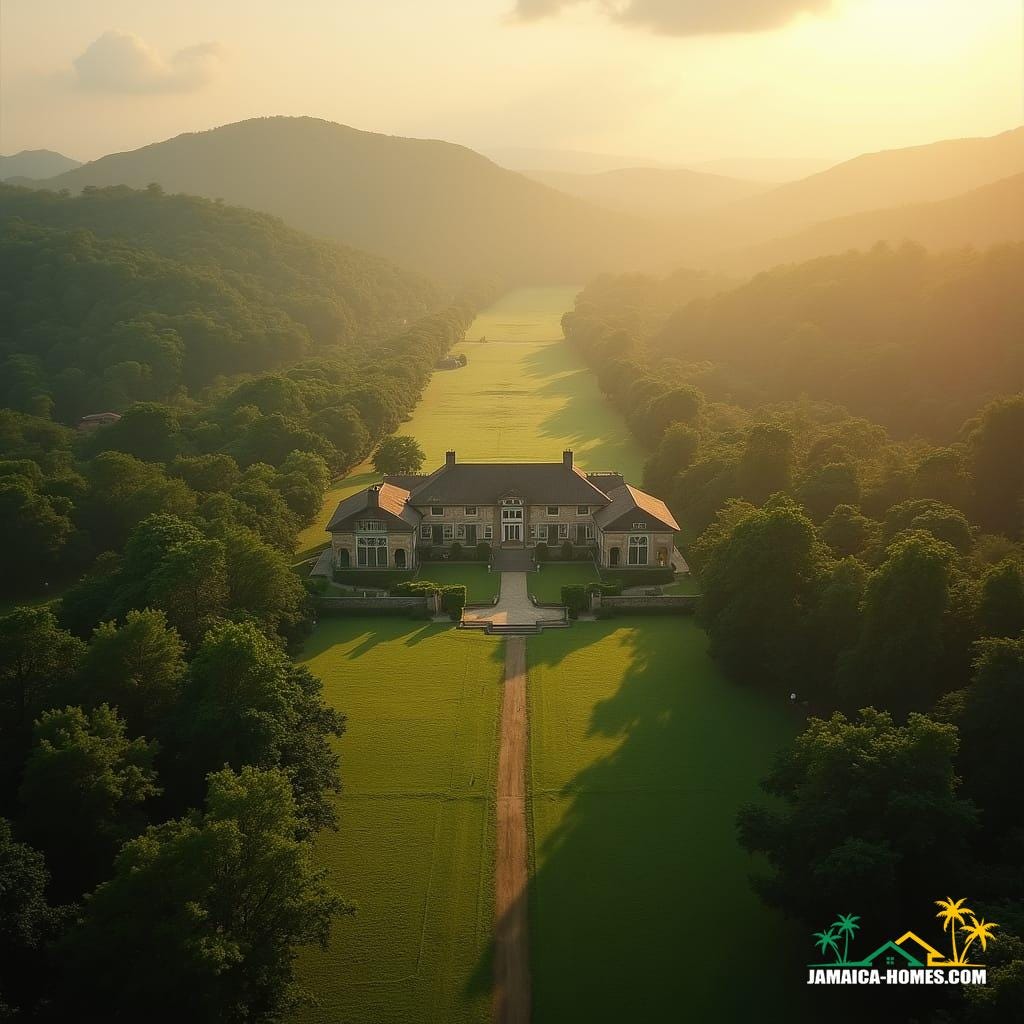
Plantation owners were individuals or groups who owned large estates, typically focused on agricultural production, particularly during the colonial era. In Jamaica, plantation owners played a significant role in the island’s economy, especially during the 17th and 18th centuries, when sugar, tobacco, and other crops were the main sources of wealth. These estates were often worked by enslaved Africans, who were forced into labor under harsh conditions. The plantations were vast, with extensive land used for growing crops that were exported to Europe and the Americas. Plantation ownership shaped much of the social, economic, and political landscape in Jamaica, leaving a legacy of inequality and land distribution issues that are still felt today. In the real estate context, former plantation lands are often now subdivided, with some estates still in use for farming, while others have been repurposed for tourism or residential development. The legacy of plantation ownership continues to …
