


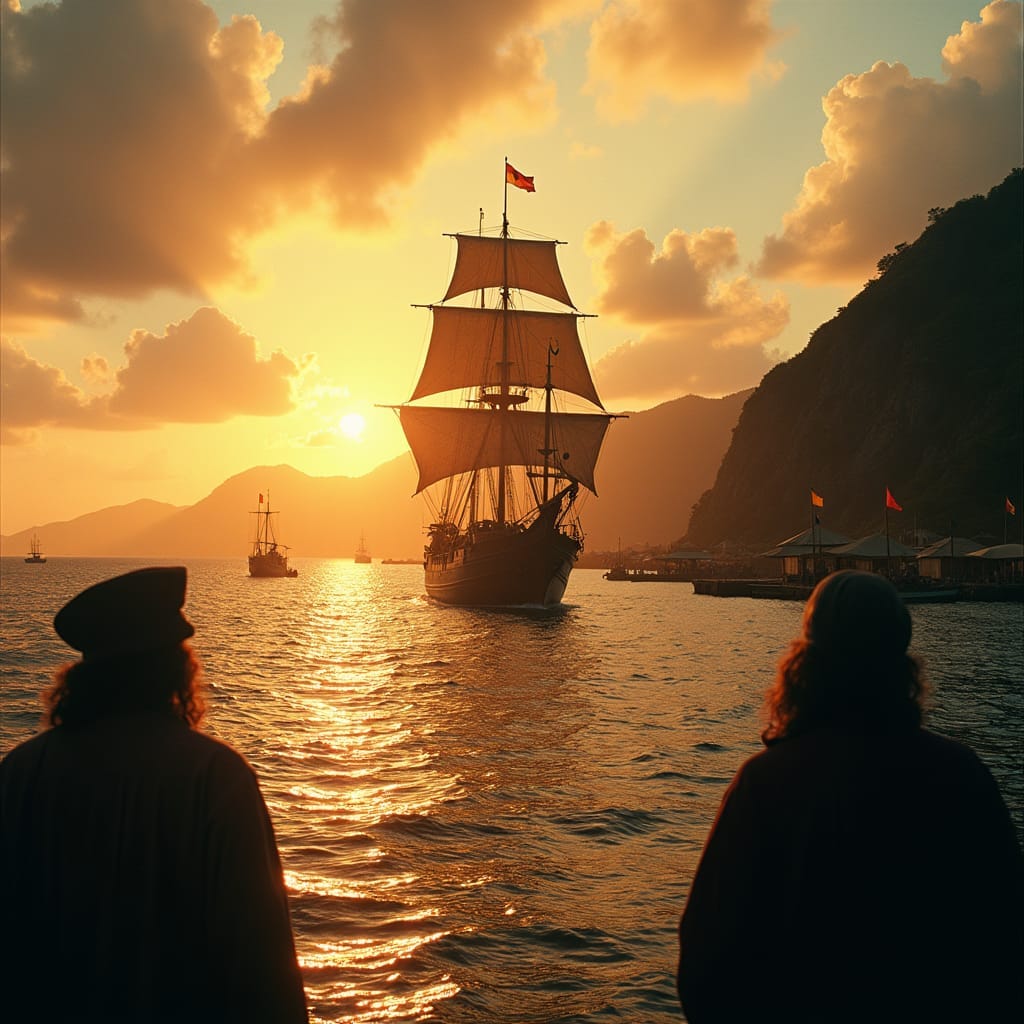
The Spanish first arrived in Jamaica in 1494, marking a significant European influence that shaped the island’s early history and culture. They established some of the first Jamaican settlements, including Sevilla Nueva in St. Ann’s Bay and later Spanish Town, which became the capital. Although they didn’t find the riches they sought, the Spanish made Jamaica a strategic point in their New World empire, linking Europe and the Americas. Unfortunately, this era also saw the forced labor and near-extermination of the indigenous Taino people, leaving a tragic impact on the island’s history. Today, Spanish influence endures in place names across Jamaica, as well as in the historic architecture of Spanish Town, where buildings still display elements of Spanish colonial style, such as stucco walls, terracotta tiles, and open courtyards. These classic features, suited to Jamaica’s tropical climate, have also left a lasting mark on Jamaican real estate, inspiring elegant, natural designs that …
