



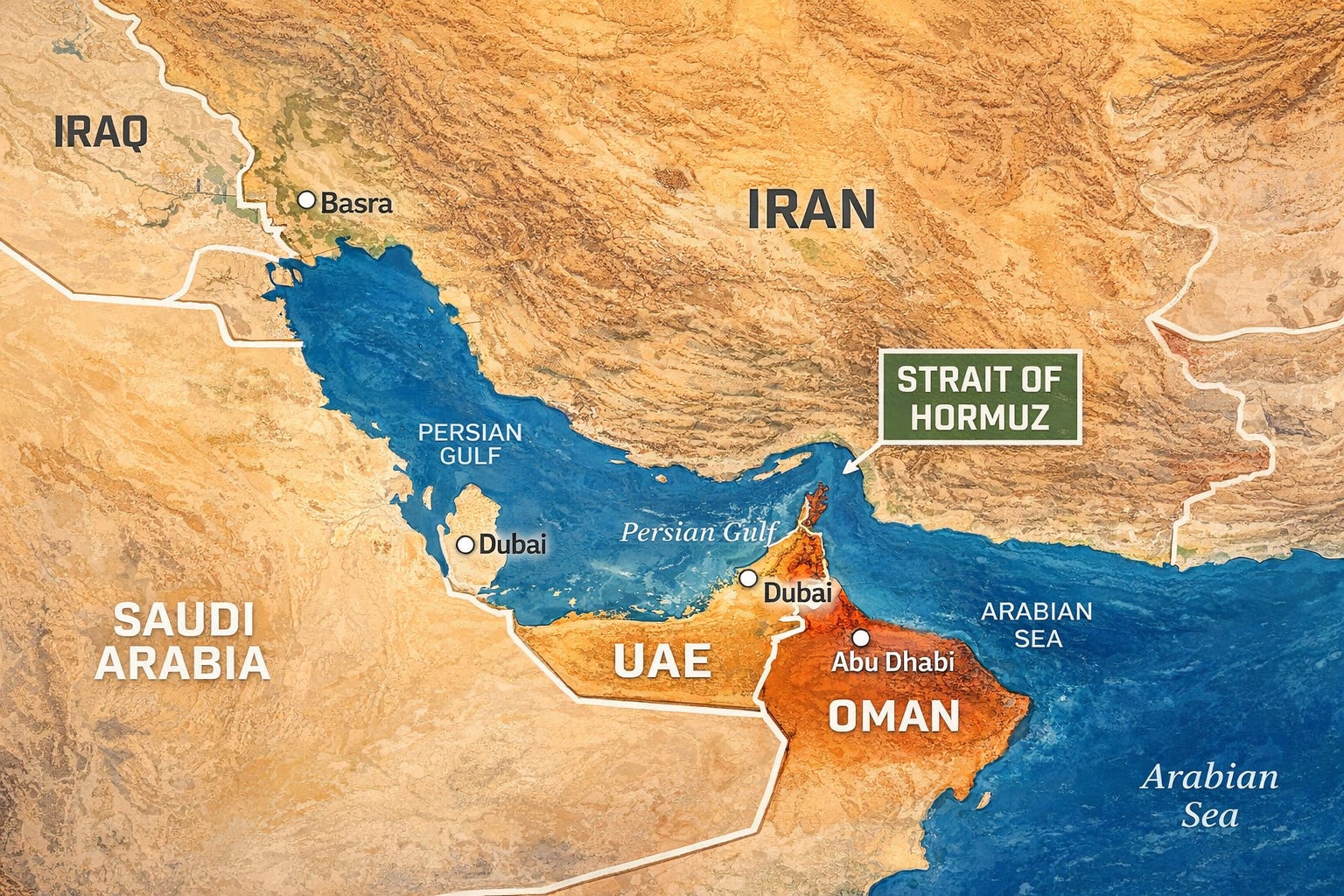
A diplomatic effort led by the United Kingdom to reopen the Strait of Hormuz has underscored a growing global risk with immediate consequences for Jamaica: the disruption of one of the world’s most critical oil routes is already feeding into higher energy costs, with knock-on effects for housing, construction, and everyday living.
More than 40 countries joined emergency talks after shipping through the narrow waterway, which carries a significant share of the world’s oil, slowed to near paralysis amid escalating conflict involving Iran, the United States, and Israel. Reports of repeated attacks on commercial vessels and tightening control over passage have effectively choked the route, sending oil prices upward and amplifying uncertainty across global markets.
For Jamaica, an island economy deeply dependent on imported fuel, the implications are neither abstract nor distant. Energy sits at the centre of the country’s cost structure, shaping everything from electricity bills to the price…
