


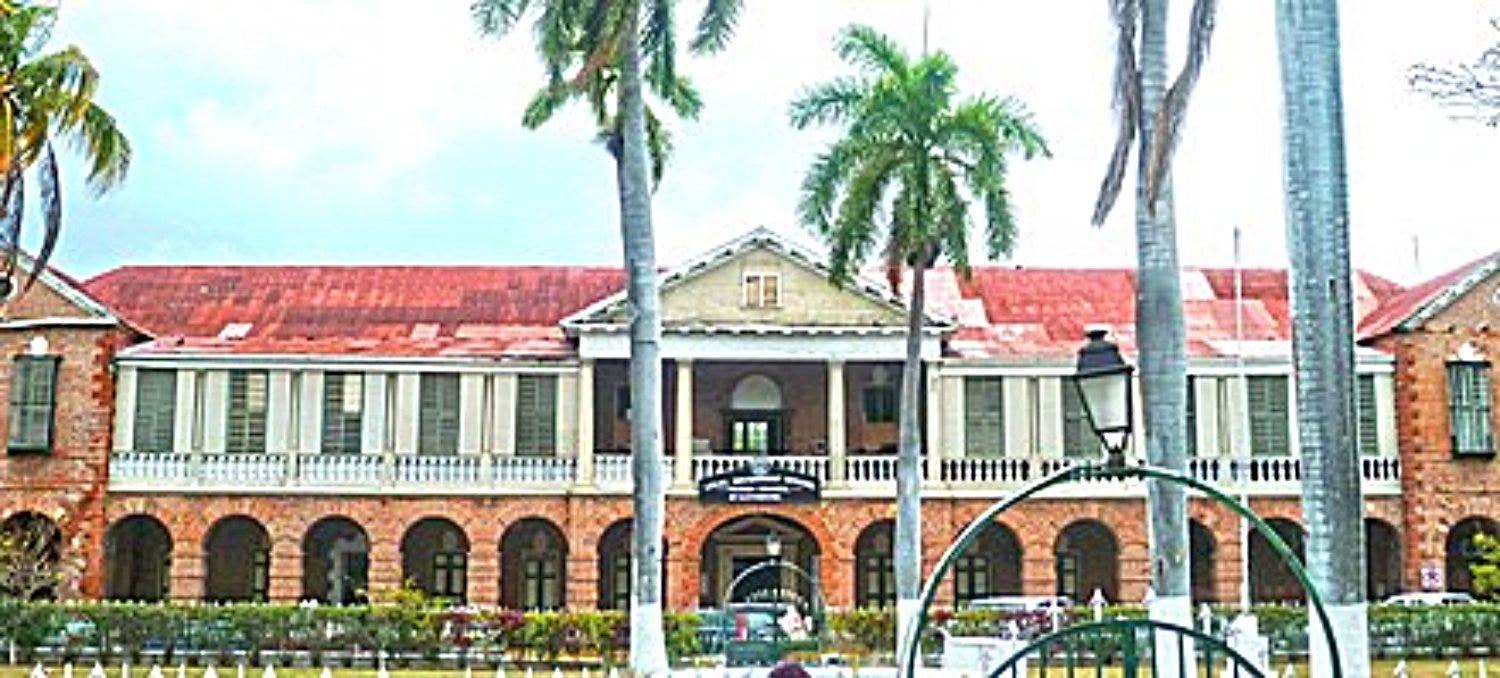
The House of Assembly, formed in 1664 as Jamaica’s colonial legislative body, played a central role in governing the island’s internal matters and economic path under British rule. Initially convening in Spanish Town, the Assembly represented the interests of Jamaica’s powerful white planter class, who held vast plantations and enslaved individuals. Membership required substantial property ownership, a qualification that ensured the Assembly was dominated by wealthy landowners and merchants. Voting rights were limited to “freeholders”—white men who owned land, plantations, or businesses—solidifying the social and political control of a small elite over Jamaican society.
