



Owning property in Jamaica remains one of the most powerful symbols of progress. A home can provide stability, security and something tangible to pass on to the next generation. For Jamaicans overseas, buying land or building a house back home can also represent belonging—a permanent connection to the country, regardless of where life has taken them.
But somewhere along the way, the dream can become distorted.
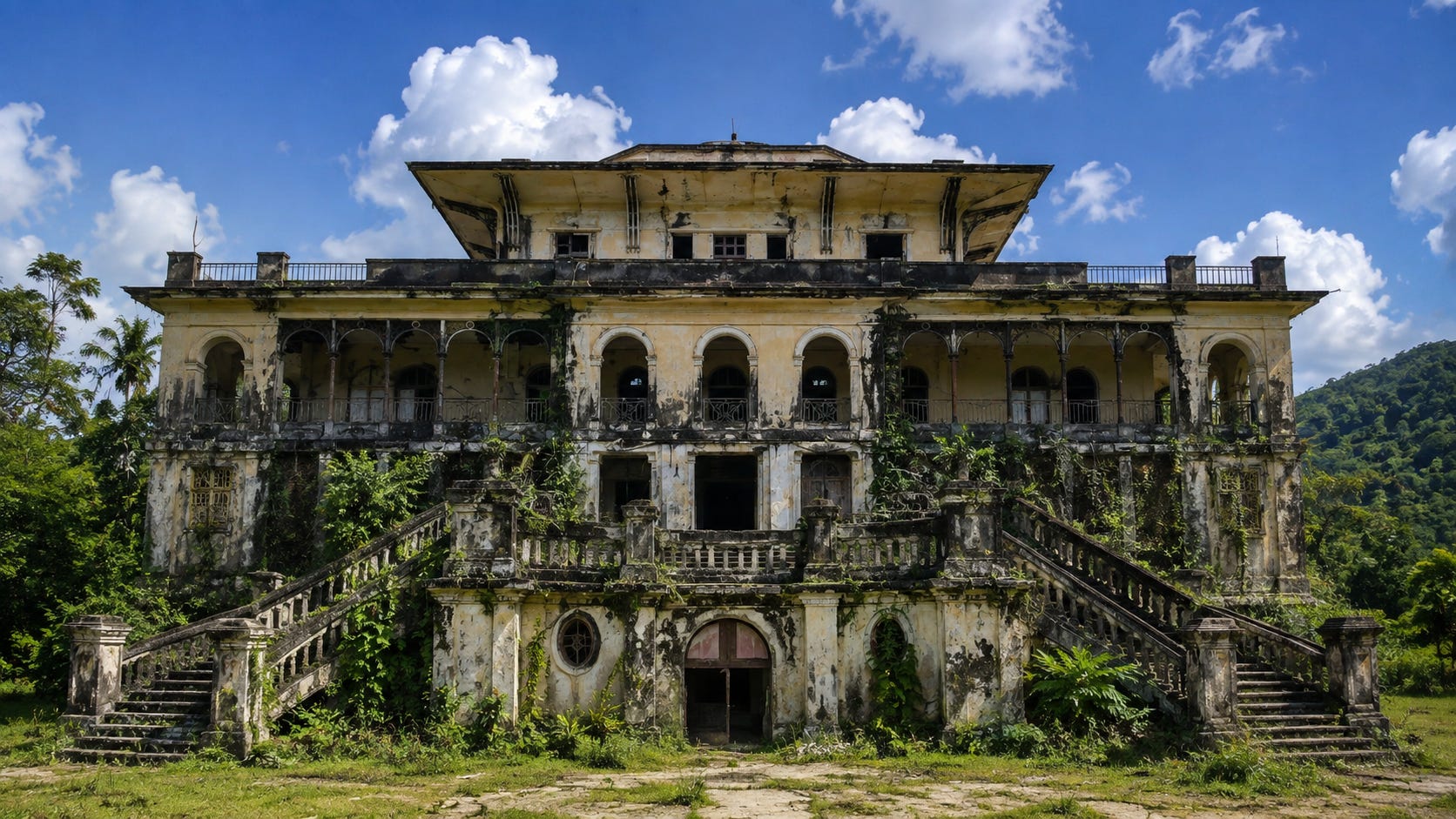
The modest home that would have comfortably served a family becomes an 12-bedroom mansion. The verandah expands, another floor is added and rooms are built for relatives who may visit once every few years. Construction continues for a decade, draining savings while the owner waits for the day when the house-and life-will finally feel complete.
Yet a large house cannot guarantee a happy home.
Property Can Improve Your Life, but It Cannot Live It for You
A well-chosen property can solve genuine problems. It can remove the uncertainty of renting, provide space for children, accommodate ageing parents or generate income through a self-contained unit. It may also become an appreciating asset and a source of financial security during retirement.
Those are meaningful benefits. But property cannot repair every part of our lives.
A luxury home cannot restore a broken relationship. A sea view cannot make an absent parent more emotionally available. A gated entrance cannot keep anxiety, loneliness or depression outside. Even financial success cannot automatically create meaning or purpose.
“A property can give you shelter, security and opportunity, but it cannot give you peace of mind unless the life being lived inside it is also in order,” says Dean Jones, founder of Jamaica Homes and Realtor Associate.
Affluent homeowners experience many of the same human difficulties as people struggling to meet a mortgage payment. They may feel disconnected from their partners, uncertain about their parenting or dissatisfied with the direction of their lives. They may experience addiction, depression, anxiety or profound loneliness.
Money changes the setting in which these problems occur. It does not necessarily remove them.
Why Do We Keep Building So Big?
There are understandable reasons why Jamaicans are drawn to substantial houses.
For some, the large family home is evidence that years of sacrifice abroad were worthwhile. It becomes a monument to endurance: every concrete block represents an extra shift worked in London, New York, Toronto or Miami.
Others build with the extended family in mind. They imagine children, grandchildren and overseas relatives returning home and filling every bedroom. Some expect the property to operate as a guest house, rental investment or retirement residence.
There is nothing inherently wrong with building a large home when it serves a realistic purpose and the owner can comfortably afford its construction and upkeep. The difficulty begins when size becomes a substitute for thoughtful planning—or when the house is being built to impress people rather than support the people who will live there.
An twelve-bedroom house may look successful from the road, but it also means twelve bedrooms to furnish, secure, clean, cool and maintain. There are additional bathrooms, more windows, a larger roof and more plumbing and electrical infrastructure. In Jamaica’s climate, every extra square foot faces sun, moisture, salt air, insects, heavy rain and the possibility of severe weather.
The real cost of a property is never just the cost of acquiring it.
Build for the Life You Actually Have
A useful question for prospective homeowners is not, “How large a house can I build?” It is, “What kind of life do I want this property to support?”
A smaller, completed home may offer a better quality of life than an unfinished mansion. Three well-designed bedrooms, good ventilation, reliable water storage, energy efficiency and manageable maintenance could prove far more valuable than numerous empty rooms.
The same principle applies when purchasing an existing property. Buyers can become captivated by columns, balconies, sweeping staircases and bedroom counts without asking whether the home suits their daily lives.
How often will every room be used? Who will maintain the property? Is it suitable for ageing in place? Can it withstand periods without occupants? Will insurance, property tax, repairs, security and utilities remain affordable after retirement?
“The best Jamaican home is not necessarily the biggest one. It is the property that protects your finances, supports your relationships and remains manageable through every season of life,” Jones says.
That might mean a two-bedroom bungalow near family, a townhouse within a managed development or a modest house with one rentable unit. For another buyer, it could be a larger multigenerational property with clearly defined spaces for several households.
There is no universal ideal. The important thing is that the property has a purpose beyond displaying wealth.
When the House Becomes the Burden
Jamaica has no shortage of ambitious houses that remain unfinished. In some cases, owners underestimated construction costs. In others, income changed, relationships ended or the children for whom the house was intended built lives elsewhere.
The structure then becomes trapped between dream and reality.
Money continues to flow into rendering, tiling, windows, railings, boundary walls and repairs to sections that have already begun deteriorating. The owner may be reluctant to sell because the house represents years of sacrifice. Downsizing can feel like admitting defeat, even when it would provide financial freedom.
But changing the plan is not failure.
Selling an unsuitable property, completing only the portion that is genuinely needed or converting excess space into income-producing accommodation may be the most responsible decision available. A house should serve its owner; the owner should not spend an entire lifetime serving the house.
Wealth Without Purpose Becomes a Scoreboard
Property ownership can become another number on a page: another bedroom, another parcel of land or another investment unit. There is always a larger home, a more exclusive community and a better view.
If the objective is merely to accumulate, satisfaction keeps moving further away.
A home becomes meaningful through what happens inside it: meals shared, children raised, friendships welcomed and difficult periods survived together. Those experiences do not require a private pool or twelve-car driveway. They require time, attention and human connection.
This does not mean ambition is wrong or that wealth should be treated with suspicion. Financial success can create choices, reduce certain pressures and allow people to support relatives and communities. But money works best as a tool. It becomes less satisfying when it is expected to provide an identity.
“Real wealth is not simply owning more property. It is having a home you can afford, relationships you have time to nurture and a life that still has meaning after the title is placed in your name,” Jones explains.
A Different Jamaican Property Dream
Perhaps the Jamaican property dream needs to become less concerned with size and more concerned with fitness for purpose.
The goal could be a home that is fully completed rather than permanently under construction. A property that can be insured and maintained without constant financial anxiety. A design that responds to the climate, accommodates changing mobility and allows the owner to live comfortably without depending on an income that may not last forever.
For investors, the objective should be sustainable returns rather than collecting properties without a clear strategy. For families, it should be creating security without sacrificing every present experience for an imagined future. For returning residents, it should be choosing a home suited to the Jamaica they will actually inhabit—not merely reproducing a dream formed decades earlier.
Owning property in Jamaica can be a tremendous achievement. It can create stability, opportunity and a legacy. But the number of bedrooms will never measure the quality of the life inside them.
The title proves that you own the property. It does not prove that the property has given you happiness-and it was never designed to.