


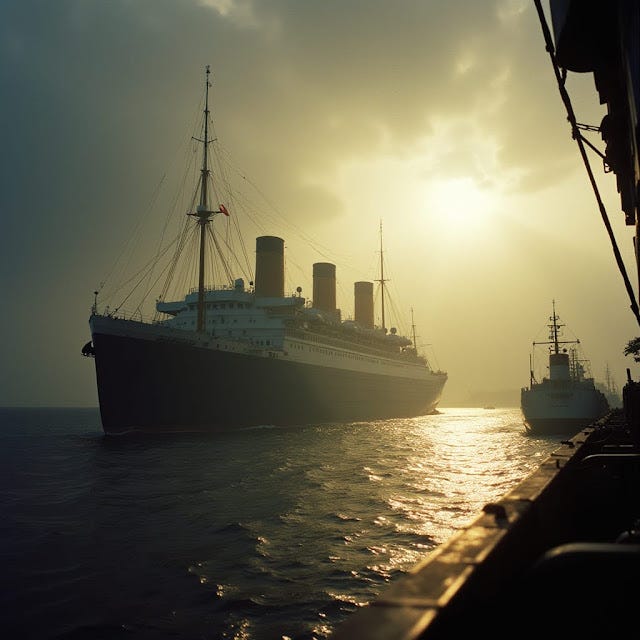
Between 1948 and the early 1970s, tens of thousands of Jamaicans crossed the Atlantic to make new lives in Britain. They were part of what became known as the “Windrush generation” — named after the ship HMT Empire Windrush, which arrived at Tilbury on 22 June 1948 carrying passengers from Jamaica and other Caribbean islands. That first arrival has come to symbolise a much larger movement: people who left islands still under British rule to help rebuild post-war Britain, then settled, raised families and created a thriving Black British culture. In recent decades a smaller but meaningful flow — made up of second- and third-generation descendants as well as some original migrants — has moved in the opposite direction: back to Jamaica. This essay traces that full arc, with dates and facts, explains key laws and events that shaped migrants’ rights, and outlines the social and economic reasons families have at different times chosen to return “home.”
