


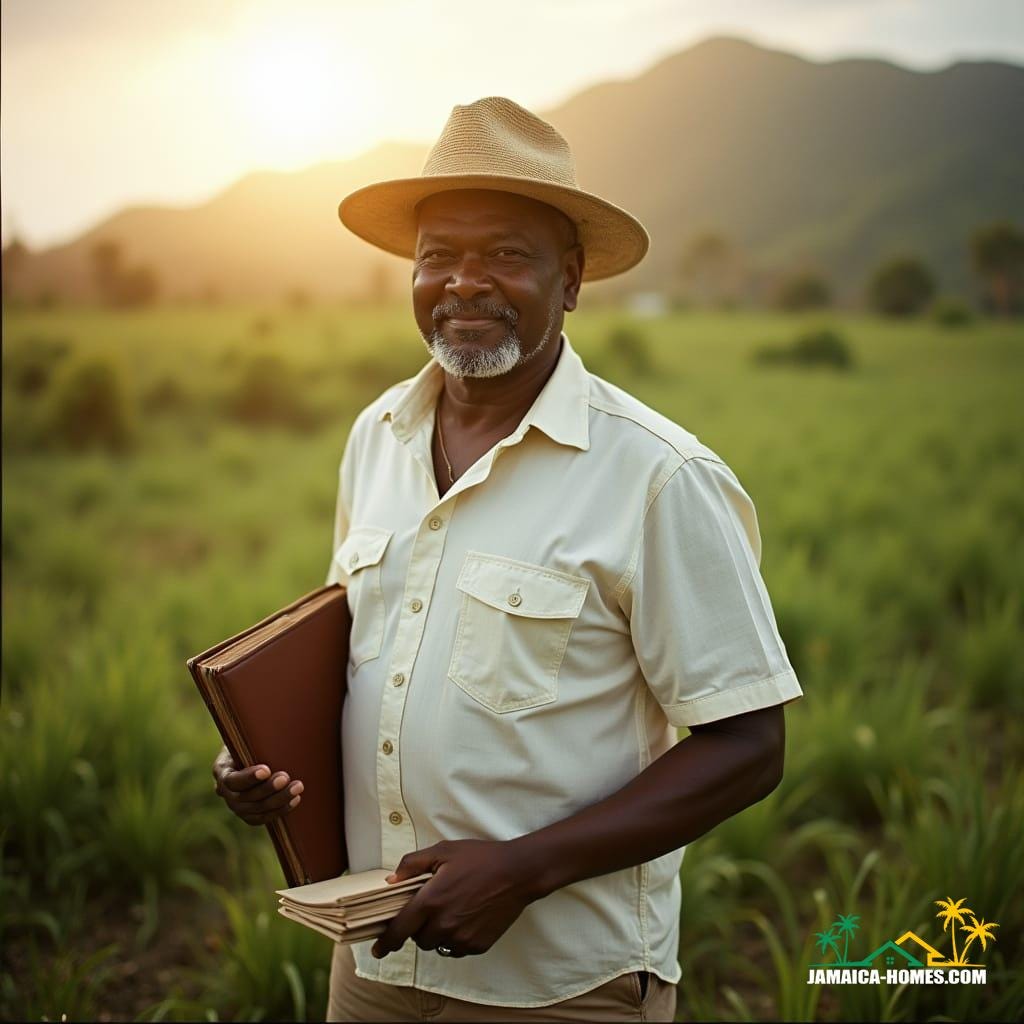
Xaymaca, meaning “land of wood and water,” is the original name for Jamaica, given by the island’s first inhabitants, the Arawaks (or Tainos), who arrived from South America around 2,500 years ago. This name reflects the lush, resource-rich landscape the Arawaks encountered, filled with dense forests and abundant water sources, which provided the essentials for their agricultural and fishing-based lifestyle. The island’s natural beauty and resources made it an ideal home for the Arawaks, who established communities along rivers and coastal areas, growing crops like cassava, sweet potatoes, and tobacco. When Christopher Columbus arrived in 1494, he was captivated by the land the Arawaks called Xaymaca, though he misinterpreted tales of “blessed gold” in the region, only to find Jamaica’s wealth lay not in precious metals but in its fertile soil and natural resources. Over centuries, as colonization took hold, Jamaica transitioned from its original identity as Xaymaca to a colony of Eur…
